Creating a Brighter and More Productive Office Space
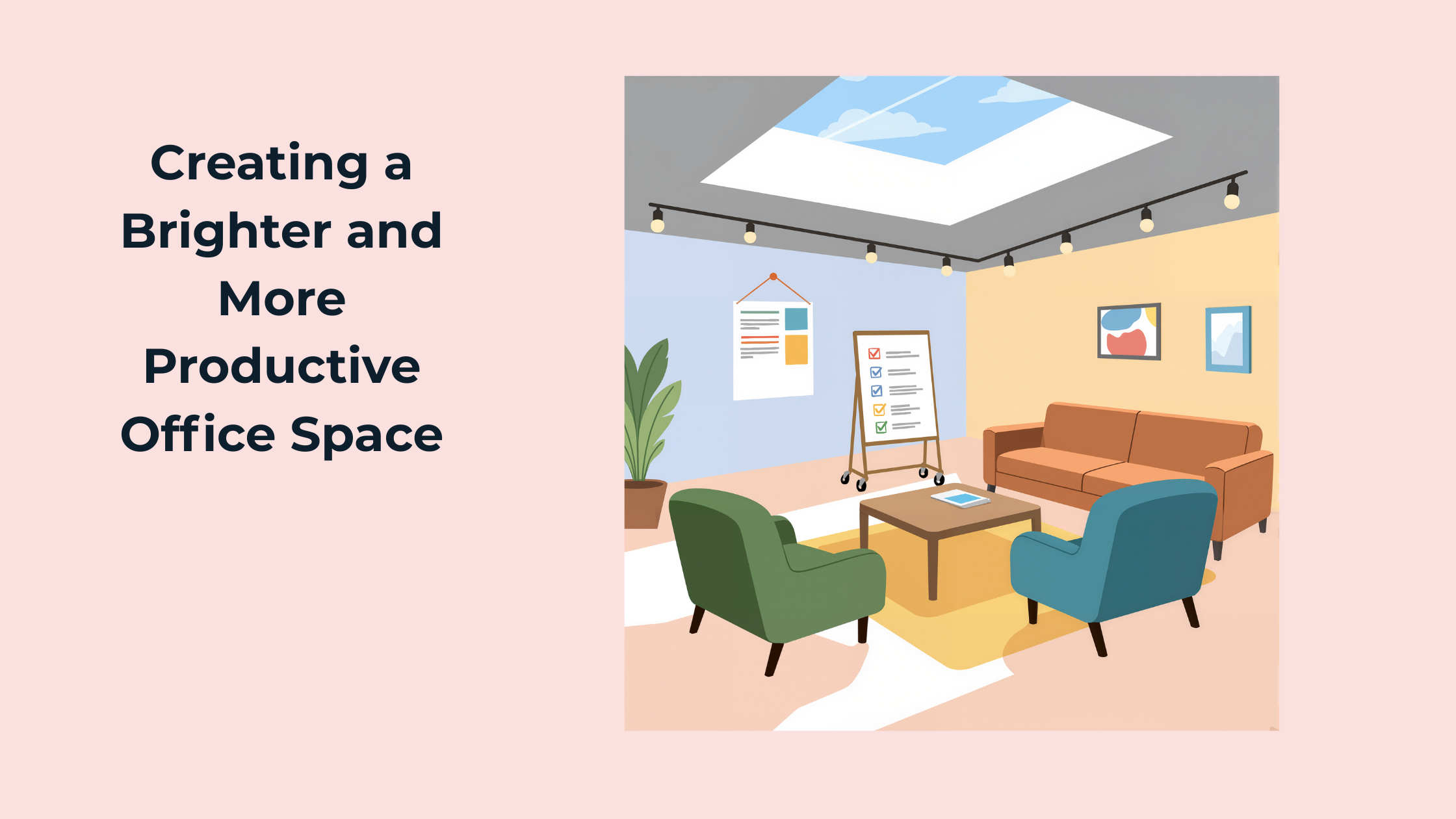
A bright office can completely change how the workspace feels. Employees tend to feel more energized and focused in environments that are open and well-lit. On the other hand, darker offices can quickly become uninspiring and tiring.
Creating a brighter office space is not just a case of adding more light. You need to consider the entire design to ensure the light moves throughout the room as intended and that your employees can benefit from it.
Ultimately, there can be a thing such as too much light, so you want to approach this carefully. Here are some things to keep in mind as you work on brightening up your workspace, whether you work from home or the office.
Quality Lighting Fixtures
This is a no-brainer. Bright interiors have better quality lighting, and ultimately, as this affects visibility, concentration, and even mood directly, you want to ensure you are investing in quality fixtures.
To understand the role of quality lighting in the office, you need to review how bad lighting can affect your business. Poor lighting contributes to health concerns, such as eye strain, headaches, and fatigue, especially if employees need to spend a lot of time working on screens. Nothing can be more harmful than harsh fluorescent lighting, and sometimes it can make things even worse than no lighting at all. Modern offices are increasingly moving toward layered lighting solutions instead, combining overhead lighting with task lamps and softer ambient lighting. This helps create a more balanced and adaptable environment.
LED fixtures are a popular choice for consistent brightness that uses less energy.
Flooring Makes an Office Feel Brighter
Many businesses underestimate how much flooring influences the overall brightness of the room. Flooring materials and colors affect how light reflects throughout the office, so this can be used to make a small space feel brighter and more open.
Lighter flooring colors generally help bounce natural and artificial light around the room, so the office feels larger and more welcoming. Businesses exploring flooring options often seek materials that balance brightness, durability, and soundproofing comfort (which is a must-have in the office environment). That’s where suppliers like https://www.royalthai.com/ stand out with a variety of high-quality patterns and textures that fit the complex requirements of high-traffic spaces.
Open-Plan Layouts Help Light Travel Further
Office layout has a major impact on how bright a workspace feels. Indeed, large partitions and oversized furniture can create enclosed layouts that will block the natural light from reaching different parts of the office. Even having large windows won’t solve the issue if the layout is not designed around natural light flow.
This is one reason many modern workplaces have embraced more open-plan designs that allow the light to travel more freely throughout the office.
Can an open-plan space have zones without affecting the flow of light? Yes, there are plenty of options available, including glass dividers, lower partitions, and multi-functional collaborative spaces that help maintain different work areas.
In conclusion, the lighting in the office needs to be an intentional decision. It is also something that requires careful planning, as excessive light can lead to glare on computer screens, which causes eye strain, headaches, and fatigue (exactly the same way lack of light can affect employees).
The best office designs are those that can balance lighting to create a modular space that can meet employees’ diverse needs and comfort levels.